


For those who invest time and energy into citrus trees, it can be frustrating losing part of the harvest due to disease. Lets look at causes and treatments.

Chrome flour is a leading pigment in the manufacture of green glass - chiefly used in containers, it finds other uses such as in the automotive sector.

Glass powder isn’t just good for making new glass - it also has applications in the furnaces used to make glass and beyond.

The ideas of coloured glass and oxidised versus reduced glasses go hand in hand - the choice of additives in the glassmaking process has profound impacts on colour, as well as the manufacturing process itself.
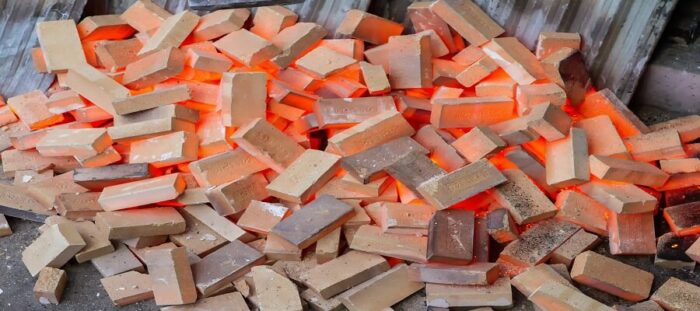
Coal dust (powdered anthracite), a relatively inexpensive and useful material, has a wide variety of uses in the refractory environment.

There are five common types of clay, namely; kaolin, stoneware, ball clay, fireclay and earthenware. The different clay types are used for varying purposes.

Calculating the batch redox number is a useful tool for glassmakers to help ensure that their desired colour is achieved when creating glass products.

In this article, we will go over some of the common water filtration media and find out how they filter water to make it clean and safe for consumption.

Filler sands are without question a necessity in steel production. Furthermore, chromium-based filler sands are preferred and widely used in the foundry industry.

Crops on agricultural fields are exposed to a variety of compounds and mixtures throughout their growth cycles. One such compound is Copper Oxide (CuO). Lets take a look at its effects.