


When recycled and processed into fine powder, this material offers unique properties such as high chemical stability, thermal resistance, and inertness, making it invaluable in areas ranging from construction and manufacturing to environmental sustainability.

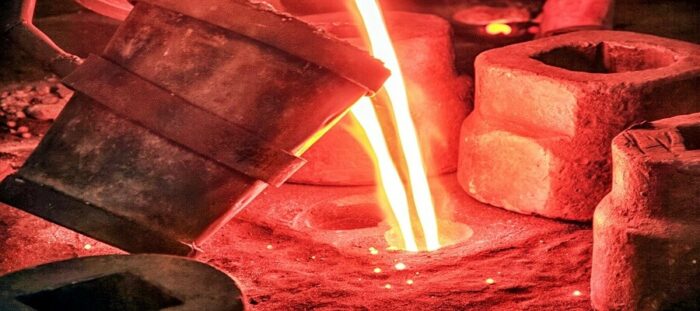
As crucial as understanding the refractory material itself is how it is formed. The modern foundryman needs to select the right refractory - both material and shape - for the right job to ensure an optimal process.

Most powdered glass is sourced from used glass and then ground down. This makes it a more cost-effective resource. There are however milled glass products which are sourced from new glass or reject glass containers for specialised applications.

Coal dust is the powdered variety of coal created by pulverization or grinding of coal into fine and smooth grains. Lets examine its applications.

Iron Chromite's many industrial uses, is because of its high-heat stability, resistance to thermal shock, and resistance to corrosive gasses & slags.

All you need to know about Refractory, the simple guide to refractory and refractory materials. The definition, types and typical applications

Chrome flour (also known as iron chromite, chromite powder, chrome flour 325, and chromite flour) is an inorganic compound that is used as a pigment.

Crucial to the identity of the refractory material itself is how it performs in elevated temperatures - but this isn’t the only area where a refractory needs to excel. Certain applications require elevated levels of compressive strength and specific porosity profiles.

Charcoal briquettes are the economical choice when it comes to domestic solid fuel - and are desirable from a manufacturing point of view too.
Not all refractories are created equal: the acidic, basic and neutral classifications help the user in their choice of optimal refractory material.