


Foundry burn on is a name given to a wide variety of surface defects that are produced at high heat during the metal sand casting process. Carbonaceous materials in the mold, such as high-anthracite coal dust can prevent such defects from forming.

Bentonite is a form of clay that has found numerous uses over its thousands of years of use - but perhaps most notably in foundries from the 1900’s onwards, alongside powdered coal.

Chrome sand is used in high-quality castables for producing precision castings when held together using organic resin- or inorganic type- binders.

Anthracite is one of the hardest forms of coal and is known for its high carbon content. Aside from as a fuel, anthracite finds use in high temperature applications - especially when calcined - due to its relatively high resistance to thermal shock, strength and chemical inertness.

Glass powder isn’t just good for making new glass - it also has applications in the furnaces used to make glass and beyond.
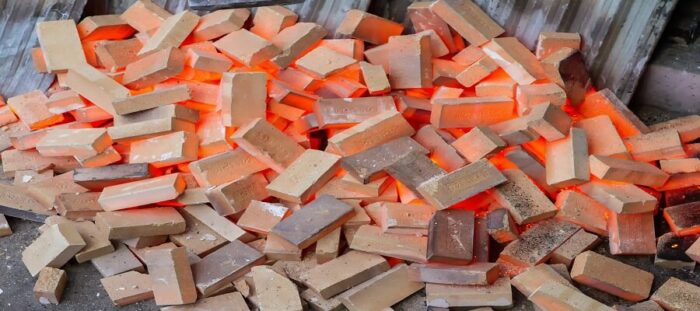
Coal dust (powdered anthracite), a relatively inexpensive and useful material, has a wide variety of uses in the refractory environment.

Filler sands are without question a necessity in steel production. Furthermore, chromium-based filler sands are preferred and widely used in the foundry industry.

Refractory materials are an integral part of foundries and other high-temperature operations; chrome compounds can add useful properties to well-established materials.

Green sand is a compound mixture used for casting of metals, the most widely used moulding type in furnace and foundry applications.
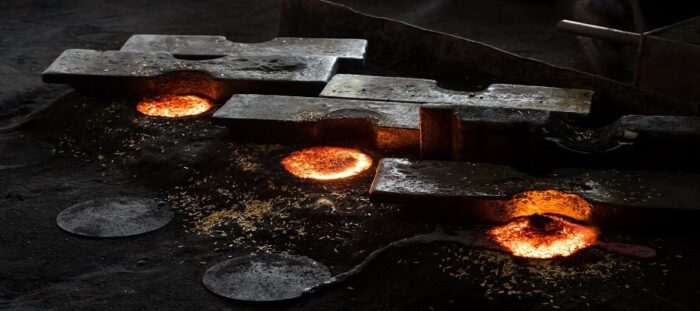
If you want to get a better idea about what is ladle sand and how and why it is being used in the foundries for pouring metal then this is the time for you to learn about the process from a basic level.