


A technique used in sand casting is green sand. It is a mixture of silica sand, chromite or zircon sand, bentonite, water, inert sludge, and coal dust.

Green sand is a compound mixture used for casting of metals, the most widely used moulding type in furnace and foundry applications.

Soda-lime has a host of applications. In fact, it is the most common form of glass produced and is used in 90% of all glass applications.

Sand casting is an efficient and economical process of producing geometrically complex components and shapes using non-reusable molds. However certain defects can occur in the process.
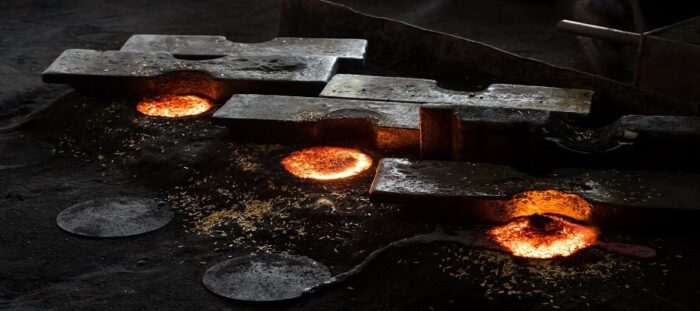
If you want to get a better idea about what is ladle sand and how and why it is being used in the foundries for pouring metal then this is the time for you to learn about the process from a basic level.

Although, Petrobond and clay dust sands share several properties in common, coal dust according to a recent study has been shown to possess some characteristics that gives it an upper hand in a casting process.

Hematite is commonly seen by us in the form of rust. This occurs as a chemical compound of oxygen and iron. In the industrial world, it is known as red iron oxide and it is one of the most important chemical compounds.
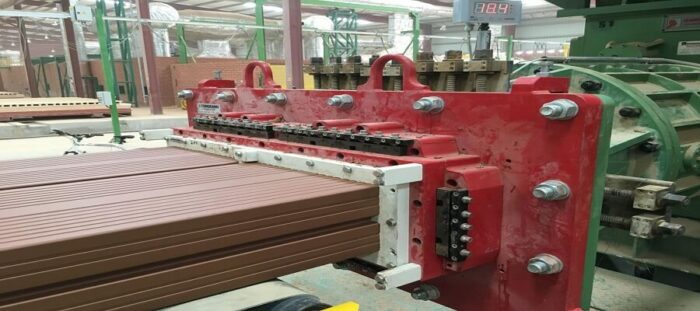
Brick is a term that refers to a small unit used as building material. These are often made with fired clay and are secured in places with mortar, which is a mixture of water, cement, and sand.

This article is going to highlight all the features and benefits of manganese dioxide. Including its chemical composition, cost, benefits, and why it’s an essential additive for the production of ceramic, tiles, pavers and bricks.
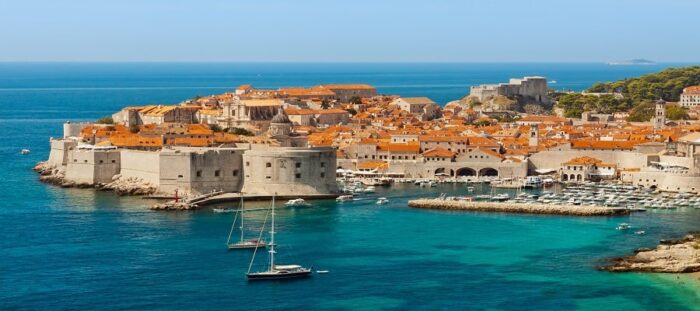
Clay roofing tiles come in various shapes and colours. K37 Black pigment, Manganese Brown pigment, and Grey pigment to name a few.