


Anthracite is one of the hardest forms of coal and is known for its high carbon content. Aside from as a fuel, anthracite finds use in high temperature applications - especially when calcined - due to its relatively high resistance to thermal shock, strength and chemical inertness.

A paver is used for external flooring, often in the form of a stone, tile or brick. Roads, patios, driveways, and walkways are mainly where pavers are used.

Chrome flour is a leading pigment in the manufacture of green glass - chiefly used in containers, it finds other uses such as in the automotive sector.

Glass powder isn’t just good for making new glass - it also has applications in the furnaces used to make glass and beyond.

The ideas of coloured glass and oxidised versus reduced glasses go hand in hand - the choice of additives in the glassmaking process has profound impacts on colour, as well as the manufacturing process itself.
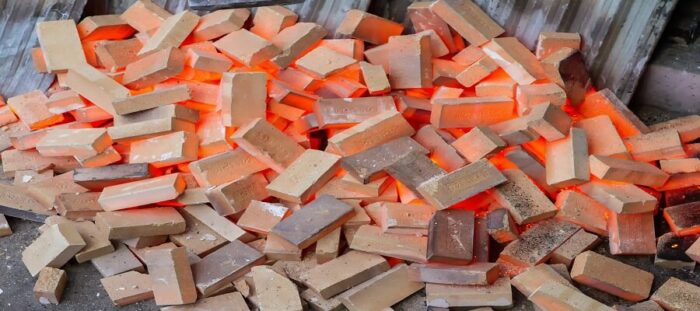
Coal dust (powdered anthracite), a relatively inexpensive and useful material, has a wide variety of uses in the refractory environment.

There are five common types of clay, namely; kaolin, stoneware, ball clay, fireclay and earthenware. The different clay types are used for varying purposes.

Calculating the batch redox number is a useful tool for glassmakers to help ensure that their desired colour is achieved when creating glass products.

Filler sands are without question a necessity in steel production. Furthermore, chromium-based filler sands are preferred and widely used in the foundry industry.

Refractory materials are an integral part of foundries and other high-temperature operations; chrome compounds can add useful properties to well-established materials.